Production planning guide
How to scope a product video before production starts
A useful scope is a set of decisions, not a shopping list of scenes. It tells the production what the film must accomplish, which material is trustworthy, where creative freedom helps, and which changes would alter the job after work begins.
The strongest scope begins before anyone discusses transitions. Define the viewer, the next action and the product moment that makes the promise believable. Then match the format, inputs and review process to that job.
See the thinking in motion.
Self-directed concepts for fictional brands. Each film includes a breakdown of the creative choices.
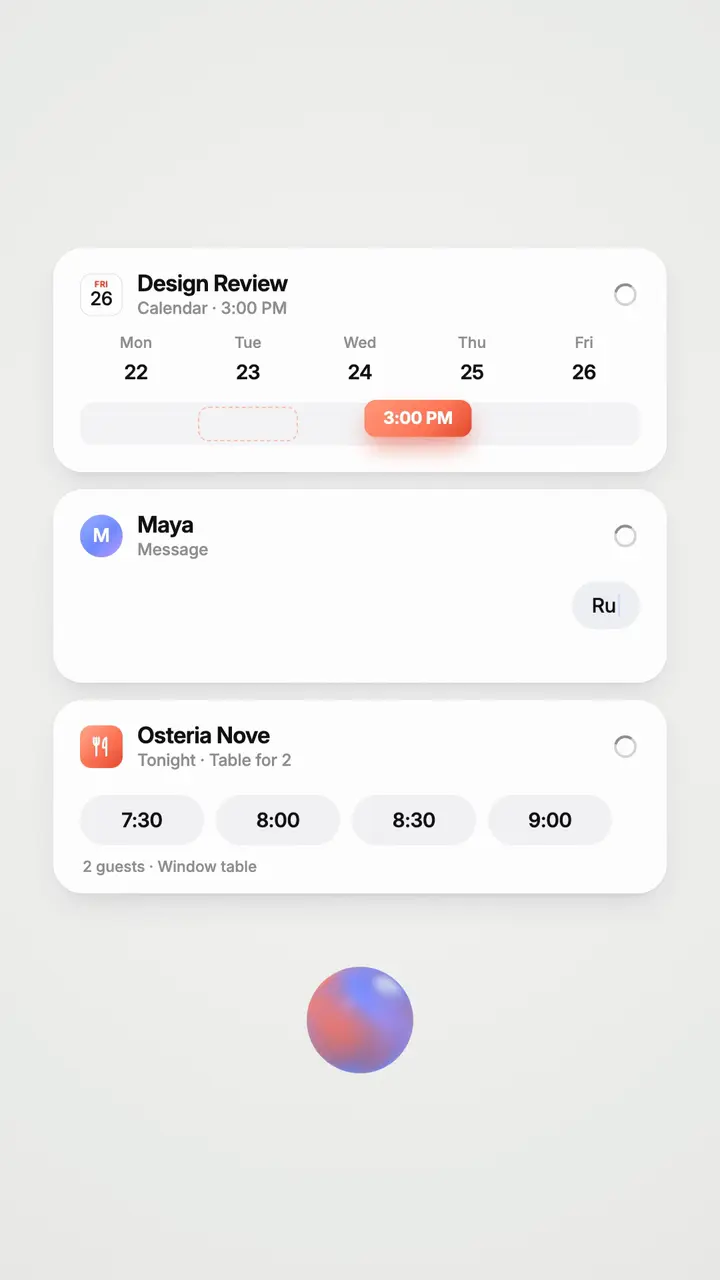
Ora: voice-first AI assistant promo film
A 37-second vertical concept ad for a fictional voice assistant, built around one responsive orb, three everyday tasks, multilingual use and a privacy close.
Watch the film & read the breakdown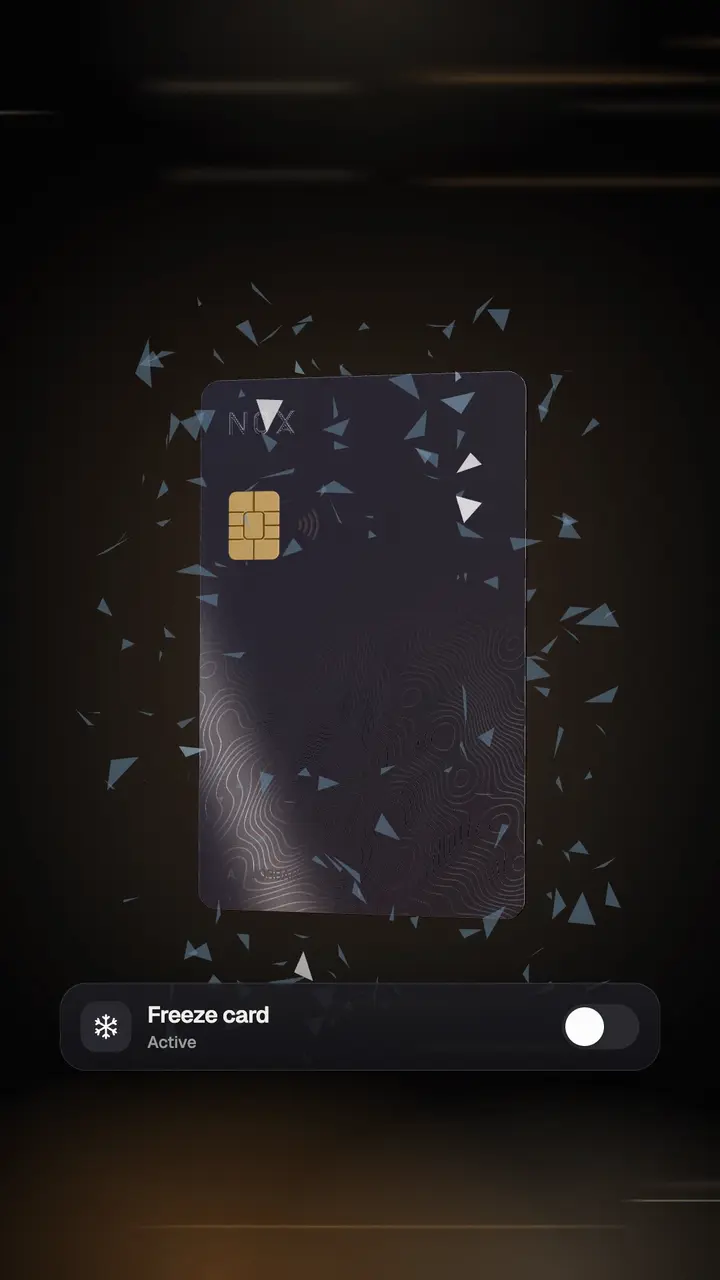
Nox: fintech travel-card concept film
A 31-second dark, vertical product film for a fictional travel card, moving through three cities before demonstrating exchange-rate, fee and card-freeze ideas.
Watch the film & read the breakdownBegin with the viewer’s next decision
“Show our new feature” describes the company’s intention. “Give operations leads a reason to visit the workflow page” describes the film’s job. The second version makes it possible to judge what belongs in the story and what can wait.
Name one primary audience and what they already understand. A current user seeing a release can tolerate different context from a category newcomer. If two audiences need different explanations or evidence, plan separate versions or choose which one leads this project.
Find the product moment
Look for an action with a readable input and outcome: scattered notes become assigned tasks, speech becomes a prepared message, or a card makes the same action work across different places. This gives motion a reason to exist. The viewer sees change rather than hearing a broad claim.
Ora and Nox demonstrate the distinction in fictional concept films. Ora uses one shape across listening and interface states. Nox connects payments in three cities through the rhythm of one card. Neither film tries to inventory a whole product, and neither implies client results.
Audit the inputs before fixing the execution
| Input | Decision it supports | Risk if missing |
|---|---|---|
| Product access or recordings | Which interactions can be shown accurately | Invented or outdated behaviour |
| Brand assets and rules | How the film should look and sound | Late visual resets |
| Approved claims | What copy and voice may state | Compliance changes after animation |
| Placement and next action | Composition, duration and ending | An asset that does not fit its destination |
| One feedback owner | How approval becomes actionable | Conflicting notes and repeated rounds |
Set the creative boundary
Agree the concept, script and storyboard before detailed production. State which product states, words and claims must remain exact. Also state where the production can simplify: background context, decorative UI, transitions, pacing and sound are common areas where creative judgement can make the film clearer.
A consolidated revision means the stakeholders resolve contradictions before sending notes. Changes within the approved script and storyboard are different from adding a use case, replacing the main claim or redesigning the product moment. Naming that boundary protects both the schedule and the quality of the decision-making.
Separate a useful variant from a new film
A version is efficient when most of the production stays shared. Three opening hooks can lead into the same body. A different aspect ratio may reuse animation if the compositions were planned for it. A new audience, product moment or narrative structure is closer to a new film, even if some footage survives.
For the Motionwisp pilot, the boundary is specific: one approved 15–30 second concept, three distinct opening hooks, three 1080 × 1920 MP4s, and one consolidated revision. Scope is confirmed before commitment because interface complexity, 3D, voice and source assets affect the production. No public price or fixed timeline can replace reviewing those inputs.
Write a brief that leaves room for craft
A productive brief is firm about truth and flexible about treatment. Supply the real product, audience, allowed claims, brand system, placement and decision. Explain the moment you think matters and why. References are useful when you label what you mean by them: pacing, tone, framing or level of product detail.
Avoid pre-solving every shot unless a shot is legally or operationally required. The production should be able to find the clearest visual expression of the approved idea. Use the product video brief to collect the facts, then use the first creative conversation to resolve the remaining choices.
The pilot
One product moment. Three ways in.
A 15–30 second concept, three distinct opening hooks, three vertical films. Tell us what you are launching and we will confirm the scope before you commit.
Keep exploring
Product video brief
Collect the facts needed to scope the work.
ExploreSaaS ad hooks
See when three openings can share one body.
ExploreOra concept film
A focused product moment expressed through a recurring shape.
ExploreNox concept film
A focused product story built from transactions and rhythm.
ExploreScope a pilot
Send the inputs and the moment you want the film to carry.
Explore