App promo video
App promo videos built around one clear interaction
An app promo video has to make a small screen legible inside an even busier screen. Shrinking a product walkthrough into a vertical frame often produces tiny UI, hurried captions and a sequence that only makes sense to someone who already knows the app.
Motionwisp finds the interaction that explains why the product deserves attention, then designs the motion around it. Real interface can stay central, but framing, type, transitions and sound give the viewer a reason to care about what the interface does. The result is a short film made for vertical placements, with three openings to test against the same approved story.
See the thinking in motion.
Self-directed concepts for fictional brands. Each film includes a breakdown of the creative choices.
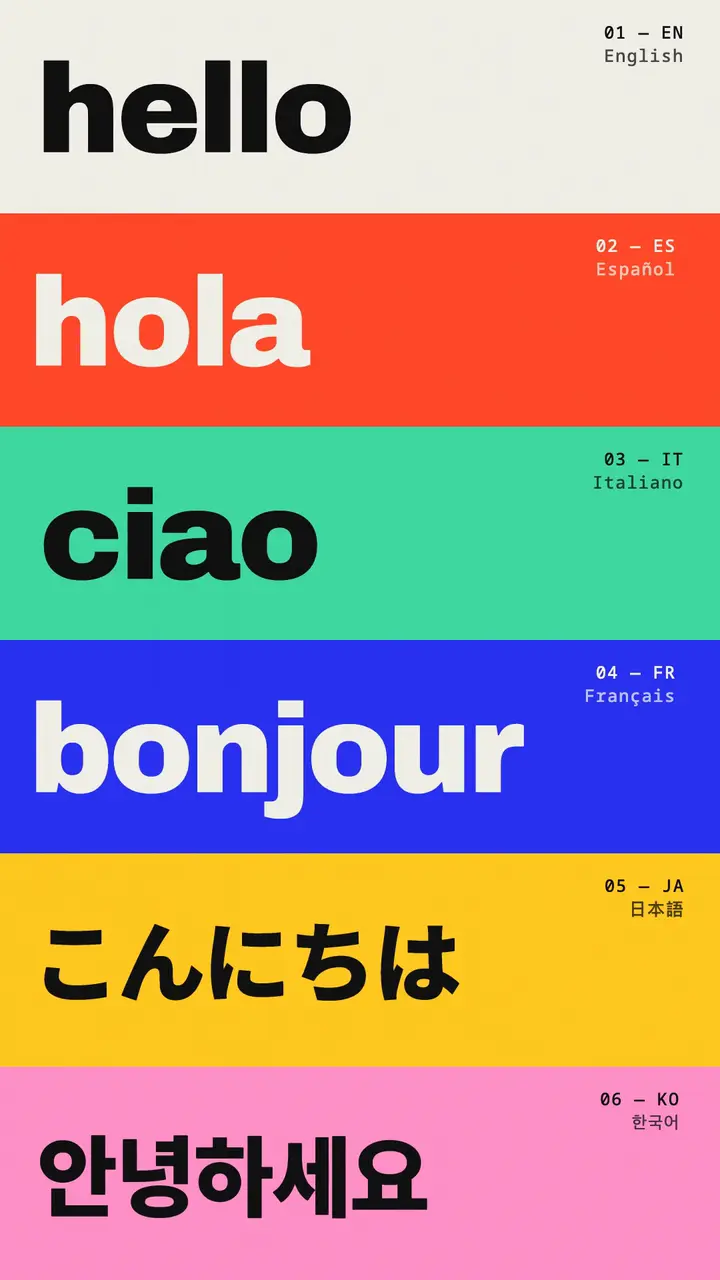
Oyé: kinetic-type app promo film
A 30-second vertical concept ad for a fictional language-learning app, using spoken words, pronunciation feedback and colour-coded typography as the product demonstration.
Watch the film & read the breakdown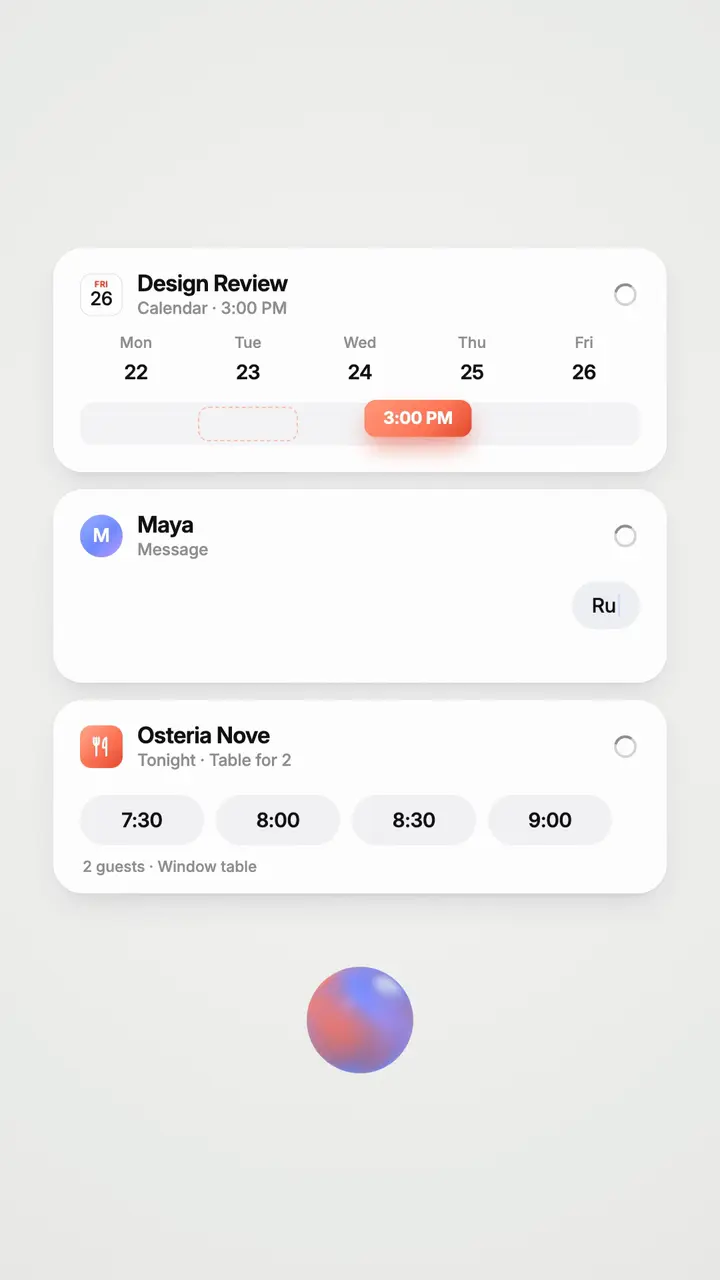
Ora: voice-first AI assistant promo film
A 37-second vertical concept ad for a fictional voice assistant, built around one responsive orb, three everyday tasks, multilingual use and a privacy close.
Watch the film & read the breakdown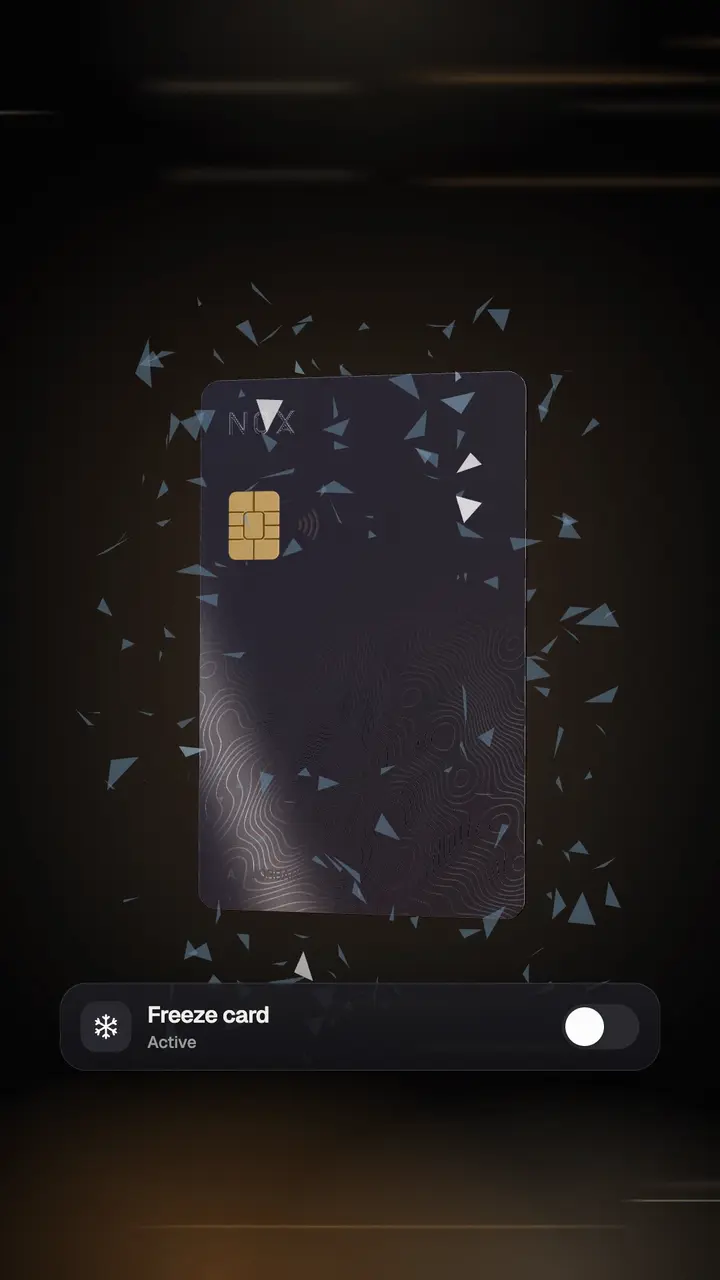
Nox: fintech travel-card concept film
A 31-second dark, vertical product film for a fictional travel card, moving through three cities before demonstrating exchange-rate, fee and card-freeze ideas.
Watch the film & read the breakdownShow one change, not every screen
A useful app promo is selective. It shows enough of the real product to make the promise credible, then removes everything that competes with the main action. A language app might make the transformation between words the visual idea. A finance app might let the rhythm of transactions connect places, actions and the card that enables them.
Oyé, our fictional language-learning app, uses kinetic typography: a word physically changes into its translation and adopts the colour of its language. Nox, a fictional travel card, follows a black-titanium card paying in three cities on the beat. Both are concept films, not client campaigns, and they demonstrate different ways a product action can become the structure of a film.
A good fit for launch and social discovery
If the viewer must complete several steps accurately, a tutorial or product demo is likely the better format. If they need to understand a broad category before your product has meaning, an explainer may need more room. The promo film’s job is narrower: make one benefit easy to grasp and worth another look.
- A consumer or business app with one interaction that reads clearly in motion.
- A launch, feature release or positioning change that needs a concise visual story.
- A team that can provide current product access and approve exactly which claims appear.
- A campaign that benefits from testing different first seconds while keeping the body consistent.
Designed for the vertical frame
A 9:16 composition changes the creative decisions, not just the export. Important UI needs enough scale to survive a phone screen. Copy must sit away from platform controls and captions. The eye needs a clear route through the frame even when the viewer starts with sound off.
We use hierarchy and motion to reveal information in sequence rather than placing a whole interface on screen at once. Sound can add timing, weight and recall, but the central action should remain understandable without relying on narration to repair unclear visuals.
The initial pilot
The pilot includes one approved 15–30 second concept, three distinct opening hooks, three 1080 × 1920 MP4s, and one consolidated revision within the approved script and storyboard. Each opening leads into the same approved film, giving your team three creative entries without multiplying the entire production.
Before you commit, the scope reflects the actual product and assets. A polished design file, a live build, a prototype and a set of rough screen recordings create very different production needs, so there is no public one-size price or invented turnaround promise.
Prepare a brief we can make decisions from
Send the app or build, the audience, the intended placement, brand assets, approved claims and the action you want the viewer to take. Then name the moment that earns the ad: the gesture, transformation or result that makes the product feel useful.
You do not need to prescribe transitions or animation techniques. A stronger brief explains what must be understood, what must be true, and what cannot change. The product video brief is designed to collect that information without turning the brief into a shot list.
The pilot
One product moment. Three ways in.
A 15–30 second concept, three distinct opening hooks, three vertical films. Tell us what you are launching and we will confirm the scope before you commit.
Keep exploring
Oyé concept film
A language-learning interaction expressed through kinetic type.
ExploreNox concept film
A travel-card story structured around three transactions.
ExploreDemo, explainer or ad?
Choose the format based on the viewer’s next decision.
ExploreProduct video brief
Give the project a clear audience, moment and claim.
ExploreDiscuss your app promo
Share the app and the moment you want people to remember.
Explore